
Understanding Migraines and Their Triggers
Understanding Migraines and Their Triggers
Migraines can be more than just a headache; they can be downright debilitating. Understanding what triggers these intense headaches is crucial in finding relief. Let's dive into how food and lifestyle factors connect to migraines.
What are Migraines?
Migraines are severe headaches often accompanied by nausea, sensitivity to light, and visual disturbances. While they affect millions around the world, their exact cause remains a bit of a mystery. Fortunately, understanding certain triggers can help in managing them effectively.
Triggers: Identifying the Culprits
Here’s a list of common migraine triggers related to diet and lifestyle:
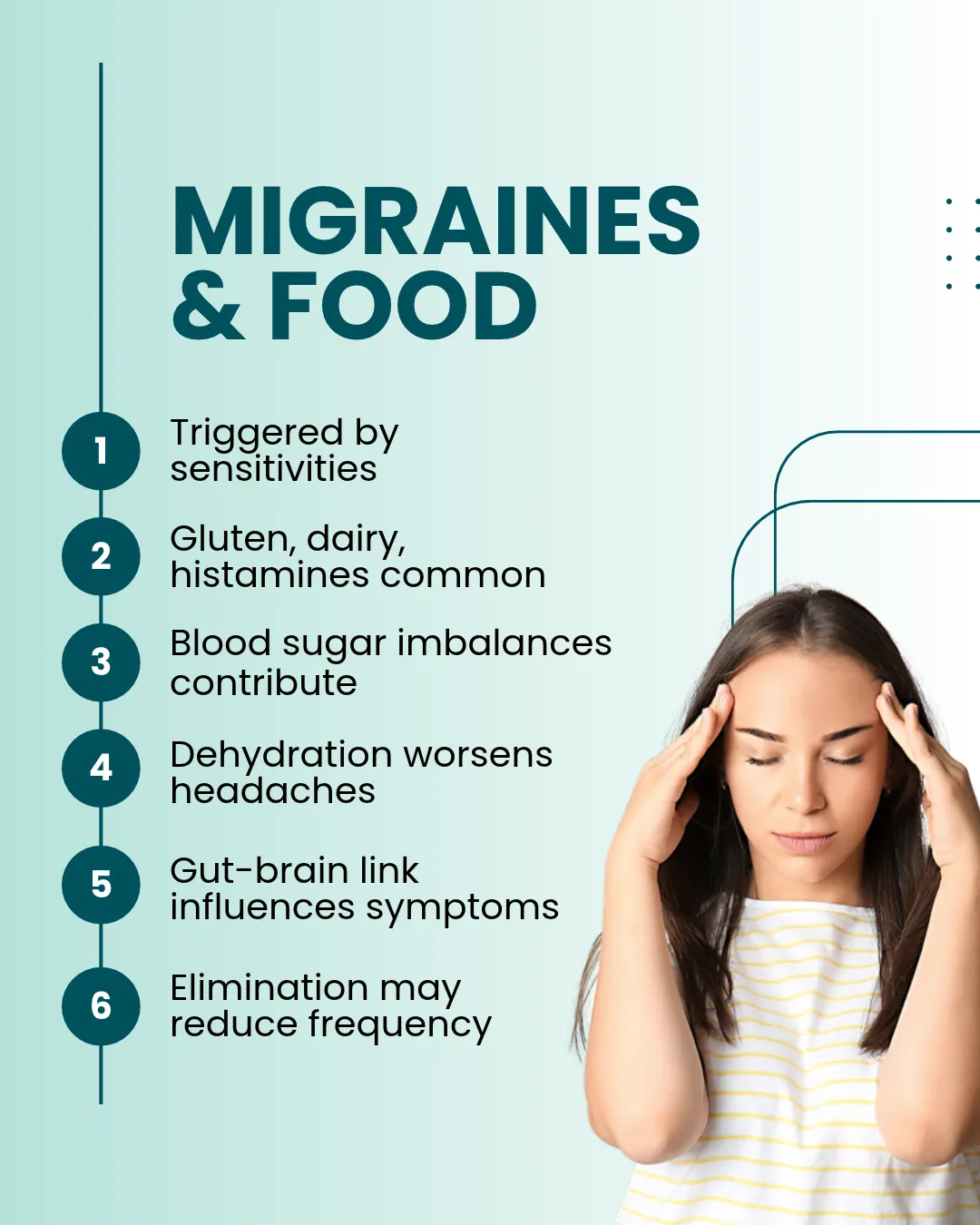
- Food Sensitivities: Many people with migraines have food sensitivities. This means certain foods might trigger headaches. Recognizing these sensitivities is the first step in avoiding migraine attacks.
- Common Culprits: Gluten, dairy, and histamines are frequently related to migraine episodes. They can cause an inflammatory response in the body, leading to pain and discomfort.
- Blood Sugar Imbalances: When your blood sugar levels fluctuate, it can trigger migraines. Eating regularly and choosing foods with a low glycemic index can keep your levels stable.
- Dehydration: Not drinking enough water can worsen headaches. Hydration plays a key role in maintaining overall health and can reduce the frequency of migraines.
- Gut-Brain Connection: The gut and brain are closely linked. Imbalances in gut health can influence migraine symptoms.
- Elimination Diet: Removing potential trigger foods from your diet might help in reducing migraine frequency.
Understanding Food Sensitivities
It's essential to recognize which foods might be problematic. A food sensitivity test or an elimination diet could be an effective way to identify them. Here's how:
- Start Small: Begin by eliminating one suspected trigger food at a time. Observe if there's a reduction in migraine attacks.
- Documentation: Keep a diary of what you eat and when you experience migraines. This will help in pinpointing potential triggers.
- Reintroduction: Gradually reintroduce foods to see if they provoke symptoms.
Maintaining Balanced Blood Sugar
Not only is it essential for preventing migraines, but maintaining a balanced blood sugar level benefits your overall health too. Here are some simple tips:
- Regular Meals: Eating regularly can keep sugar levels stable. Avoid long periods without eating.
- Complex Carbohydrates: Opt for whole grains, vegetables, and legumes that release energy slowly.
- Protein-Rich Foods: Include protein-rich foods in each meal to promote satiety and energy balance.
Stay Hydrated
Being hydrated is crucial for keeping migraines at bay. On average, aim for at least eight glasses of water per day. Remember, more may be necessary, depending on individual needs and climate.
Improving Gut Health
Your gut health can significantly impact migraine occurrence. Here’s how to support a healthy gut:
- Probiotics: Include fermented foods like yogurt, kefir, or kimchi in your diet.
- Fiber-Rich Foods: Consuming whole grains, fruits, and vegetables can promote digestion.
- Avoid Processed Foods: Processed foods can disrupt gut balance and should be avoided if possible.
Conclusion
Migraines can be managed by understanding and adjusting to certain dietary and lifestyle factors. By identifying specific triggers, maintaining your health becomes a more achievable goal. Remember, it's about taking small, consistent steps towards a migraine-free life.