
Understanding and Managing Autoimmune Flares
Understanding and Managing Autoimmune Flares
Autoimmune flares can be challenging to deal with, but understanding how certain foods and habits affect your body can help manage symptoms more effectively. A key to managing these flares lies in identifying and avoiding inflammatory triggers through diet and lifestyle changes.
What are Autoimmune Flares?
Autoimmune flares occur when the immune system mistakenly attacks the body's own cells. This can lead to a variety of symptoms, including fatigue, joint pain, and skin rashes. For many people, diet plays a crucial role in triggering or alleviating these flares.
Common Triggers
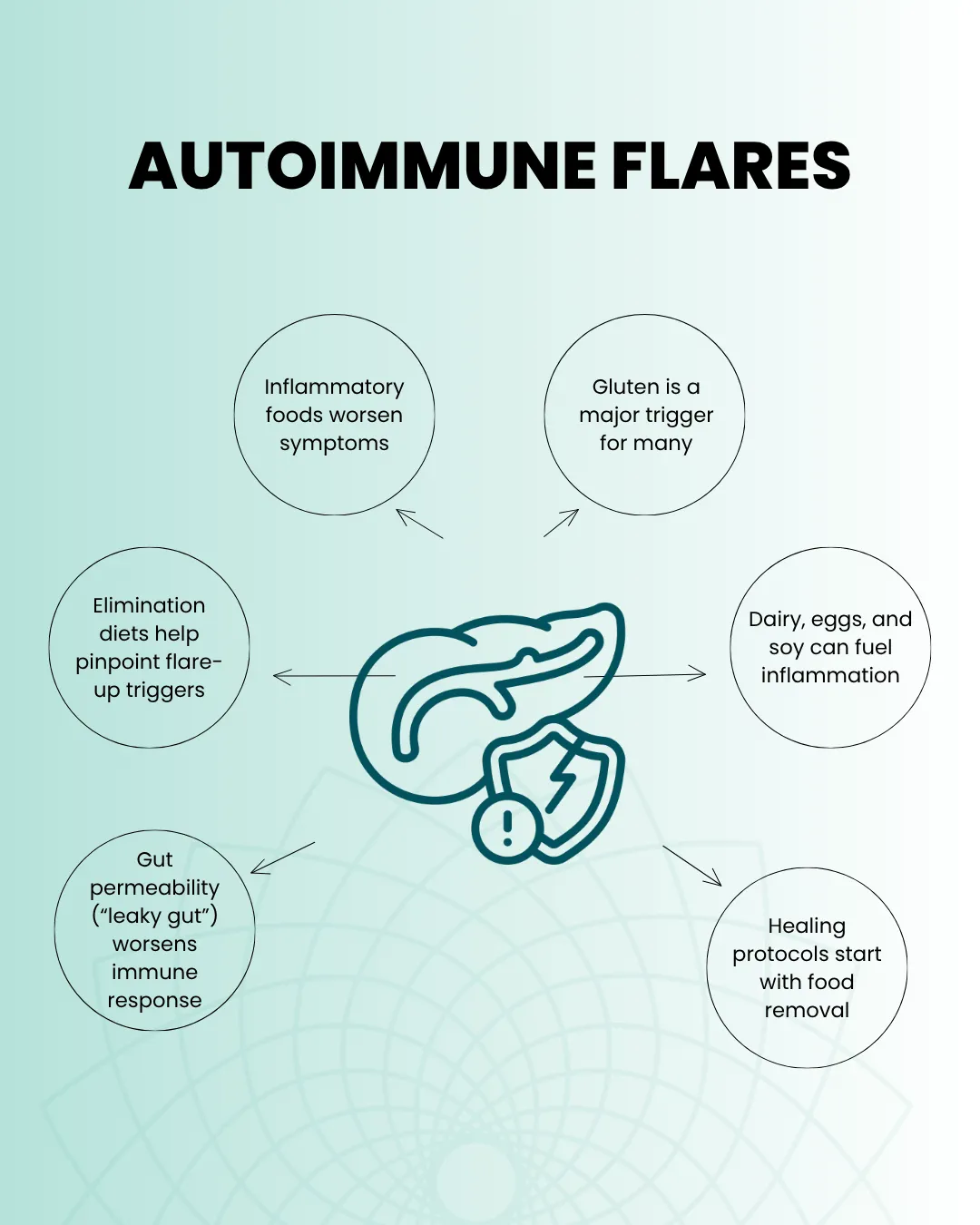
- Inflammatory Foods: Consuming foods that promote inflammation can worsen symptoms. Common culprits include processed foods, sugary snacks, and fast food.
- Gluten: For many, gluten can be a major trigger. It's a protein found in wheat, barley, and rye. Avoiding gluten might help reduce symptoms.
- Dairy, Eggs, and Soy: These foods are known to fuel inflammation for some people. Keeping a food diary can help identify if these foods are affecting you.
Recognizing Gut Permeability
Another significant factor is gut permeability, often referred to as “leaky gut.” This condition occurs when the lining of the gut becomes more permeable than normal, allowing bacteria and toxins to pass into the bloodstream, potentially leading to a heightened immune response.
Managing Autoimmune Flares Through Diet
- Elimination Diets: These diets involve removing specific foods for a period and then gradually reintroducing them to identify which foods trigger flares.
- Healing Protocols: These often begin with the removal of foods that potentially trigger inflammation, helping the body to calm the immune response.
Steps to Take
Here’s a guide to help manage your autoimmune condition effectively:
- Identify Triggers: Keep track of your meals and symptoms to identify patterns.
- Stay Hydrated: Drink plenty of water to help your body flush out toxins efficiently.
- Consult a Professional: Working with a healthcare provider or nutritionist can provide personalized recommendations.
Conclusion
Managing autoimmune flares is a journey that involves understanding your body and its responses. By making informed dietary and lifestyle changes, individuals can work towards minimizing their symptoms and promoting overall well-being.