
Diet's Role in Managing Sinus Issues
Understanding the Connection Between Diet and Sinus Health
Sinus issues are common, affecting millions of people worldwide. But did you know that your diet might be playing a significant role in these problems? Let's explore how the food you eat might contribute to sinus congestion and inflammation, and what you can do to alleviate these symptoms.
The Link Between Sinus Issues and Diet
Maintaining good sinus health is essential for easy breathing and overall well-being. Here are some important aspects linking diet and sinus issues:
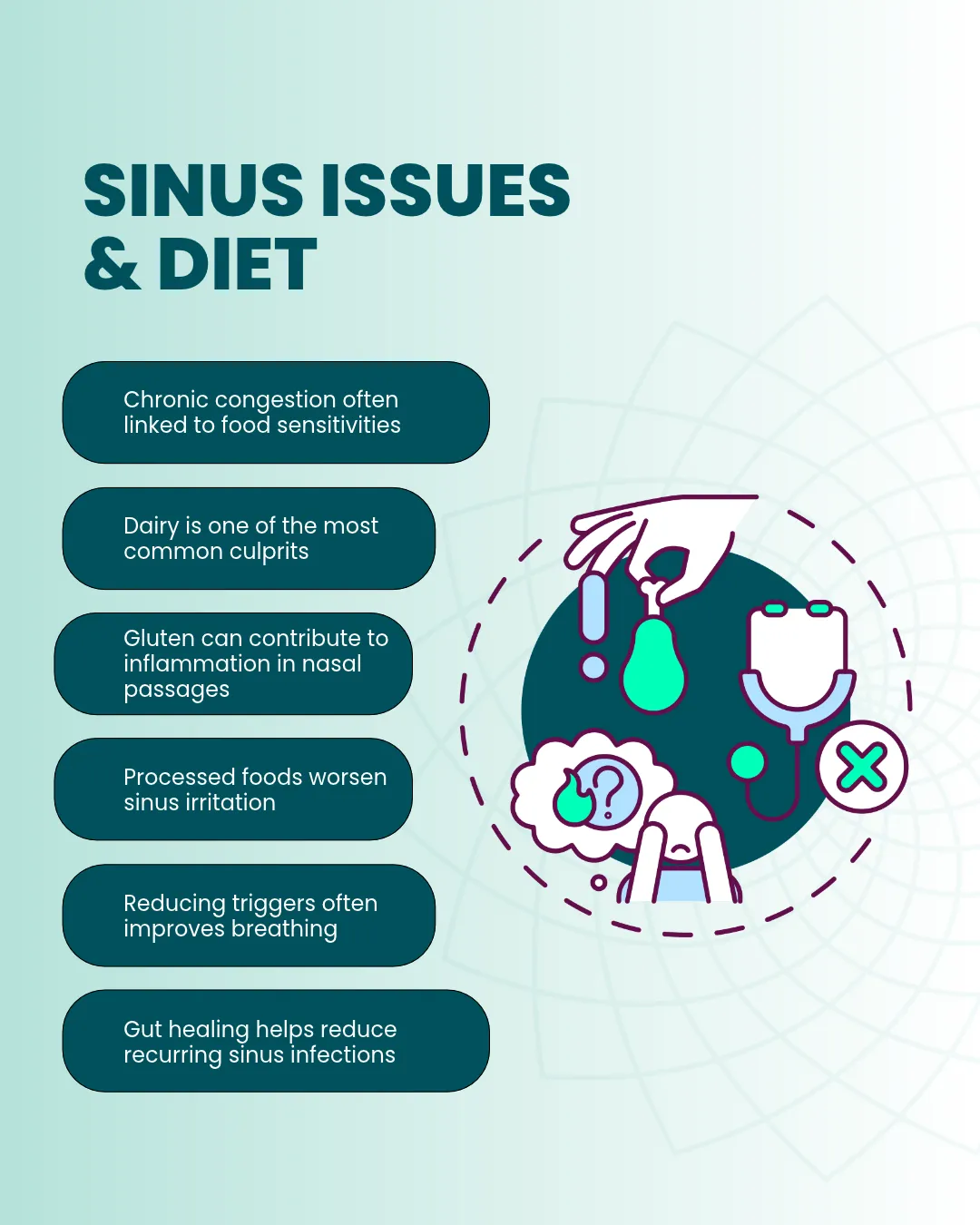
- **Chronic Congestion**: Chronic congestion is often linked to food sensitivities. For many, this is a surprising revelation as they might not be aware of sensitivities or allergies to certain foods.
- **Common Culprits**: Dairy is one of the most common culprits when it comes to sinus problems. It can increase mucus production, leading to more congestion.
- **Inflammation and Gluten**: Gluten, found in wheat and other grains, can contribute to inflammation in nasal passages. Those who are sensitive to gluten may experience relief by reducing or eliminating it from their diet.
- **Processed Foods**: These foods, filled with preservatives and artificial ingredients, can worsen sinus irritation. A diet high in processed foods may exacerbate sinus symptoms.
What Changes Can Help?
If sinus issues are impacting your life, consider making dietary changes. Here’s what you can try:
- **Identify Your Triggers**: Keep a food diary and note when your sinus symptoms worsen. Look for patterns and identify potential food triggers.
- **Reduce Dairy and Gluten**: Try cutting back or eliminating dairy and gluten to see if your symptoms improve. Many people find relief by making these adjustments.
- **Eat Fresh, Whole Foods**: Focus on a diet rich in fruits, vegetables, lean proteins, and whole grains. These foods nourish your body and reduce inflammation.
- **Avoid Processed Foods**: Minimize intake of foods with artificial additives, which can irritate your sinuses.
Benefits of Dietary Changes
By reducing or eliminating dietary triggers, you may experience:
- **Improved Breathing**: Reducing triggers often improves breathing, providing relief from chronic congestion.
- **Less Inflammation**: A diet low in inflammatory foods can reduce nasal passage inflammation, improving sinus health.
- **Fewer Infections**: Healing the gut can play a role in reducing recurring sinus infections. A healthy gut supports a strong immune system, which in turn helps protect against sinus issues.
Consulting a Professional
It's always a good idea to consult with a healthcare professional or nutritionist when making significant dietary changes. They can provide guidance tailored to your individual needs and help monitor your progress.
Conclusion
Sinus issues can be frustrating, but understanding the role that diet plays in managing them can be empowering. By identifying food sensitivities and eliminating potential triggers, you can improve your sinus health. Remember, simple dietary changes can often lead to significant improvements, helping you to breathe easier and live better.